MENU

Cellma Advanced Orthopedic EHR for Integrated Care

Orthopedic services play a critical role in addressing the growing burden of musculoskeletal conditions, trauma, and degenerative joint disease across the NHS and international healthcare systems. An orthopedic EHR today extends far beyond basic documentation; it forms the digital backbone that enables structured assessments, multidisciplinary collaboration, and longitudinal tracking of orthopedic outcomes across the full care pathway. 
 

The Cellma orthopedic EHR provides all aspects of modern-day orthopedic services through a single electronic environment. This includes outpatient consultations, pre-operative assessments, surgical planning, operative documentation as well as post-operative follow up. Cellma follows the NHS’ orthopedic workflow and is flexible enough to accommodate private orthopedic practice and other systems, including global health systems, that provide orthopedic care on a large scale. 
 

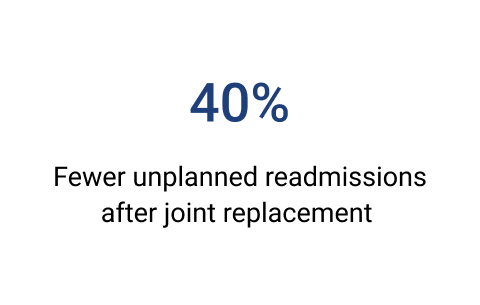
With increasing pressure on the NHS due to rising waiting lists for joint replacement, trauma management, and chronic musculoskeletal conditions, Cellma enables orthopedic teams to deliver safer, more coordinated, and data-driven care. Structured records, integrated data flows, and interoperability across care settings ensure continuity from referral through recovery.

Aligned with NHS 10-Year Plan:

Cellma is purpose-built to support these goals through prevention-focused, digitally enabled, and integrated community care.

Cellma for Orthopedics: Core Features

AI-driven Orthopedic Workflow

The AI layer within our Orthopedic EMR supports clinicians through smart templates, decision support for treatment plans, risk flagging, and outcome analytics.

Structured Orthopedic  Assessments

Standardised templates support consistent musculoskeletal assessments, clinical scoring, and risk evaluation across orthopedic pathways.

Integrated Surgical Planning

Structured surgical planning supports elective and trauma workflows, including hip replacement and knee replacement procedures.
Imaging Access with NHS Integrations

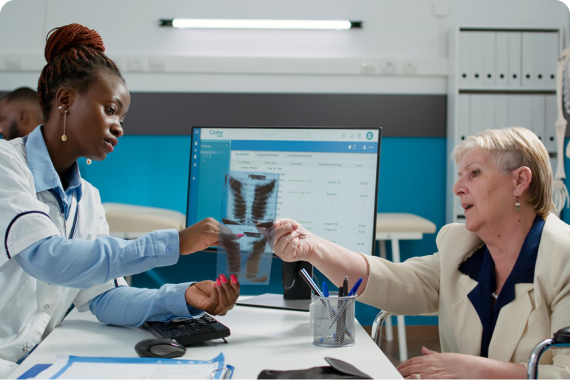
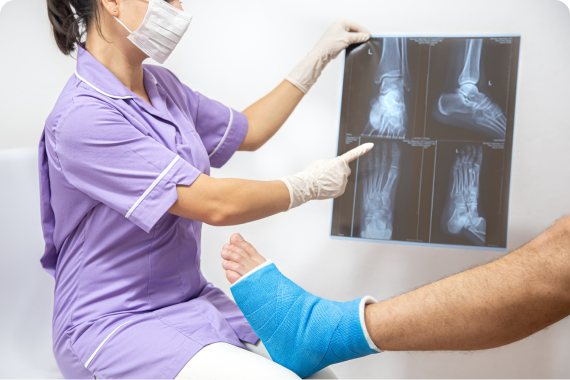
Secure imaging integration provides access to PACS and radiology systems directly within the orthopedic record.

Operative Documentation for Orthopedic Surgery

Procedure-specific templates support accurate documentation for joint replacement and trauma surgery.

MDT-Enabled Orthopedic  Documentation

Shared MDT workflows support collaboration across orthopedics, radiology, anaesthetics, and physiotherapy.
Secure Teledermatology and Video Consultations

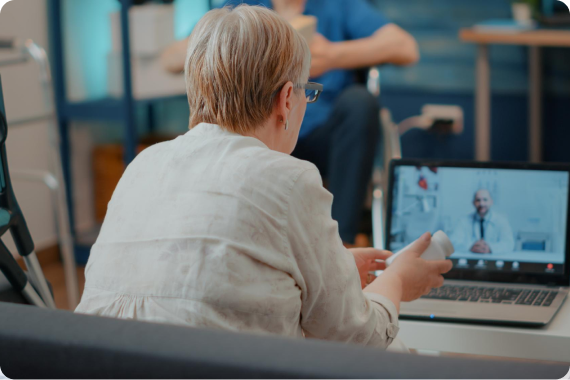
Enable remote consultations with secure video access, supporting timely assessments, follow-ups, and continuity of care.

Outcome Measurement and PROMs

Built-in tools support PROMs and outcome monitoring across orthopedic services.

Patient Portal for Engagement

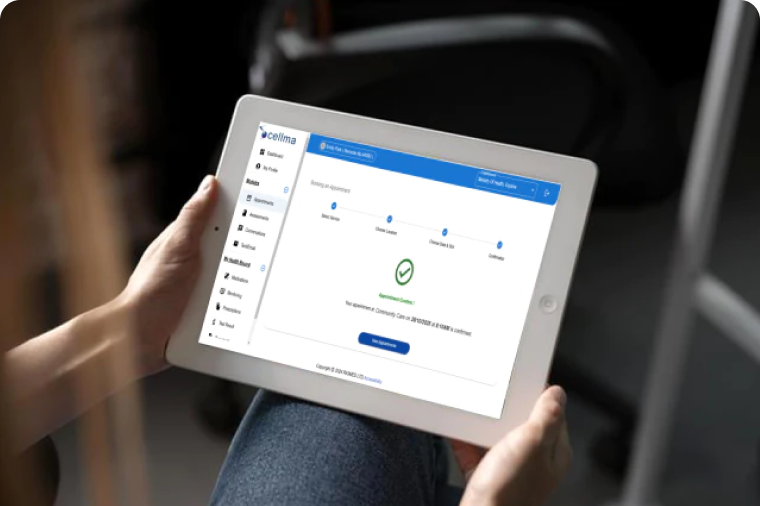
Patients can access appointments, post-operative guidance, and care plans through a secure patient portal, with integration support for the NHS App where applicable.

Mobile Clinical Access

Clinicians can securely access orthopedic records across clinics, wards, and theatres.

Interoperability with NHS and Global System

Integrates with NHS Spine, GP Connect, referrals, labs, and discharge systems, while supporting interoperability across international healthcare platforms.

NHS Digital and Global Standards Alignment

Built to NHS Digital standards, supporting HL7, FHIR, and SNOMED CT across ICS and global care settings.

Benefits for Orthopedic Departments and Surgeons

  • Improved patient outcomes as a result of proactive monitoring 
  • Reduced administrative workload for renal clinicians 
  • Seamless collaboration across renal teams and services 
  • Real-time visibility into renal service performance and capacity 
  • Improved coordination across dialysis units and transplant services 
  • Structured clinical workflow enabling safe dialysis management  
  • Enhanced visibility of renal care pathway leading to reduced renal wait times 
  • Improved clinical decision-making with unified nephrology records 

Why Orthopedic Teams Choose Cellma 

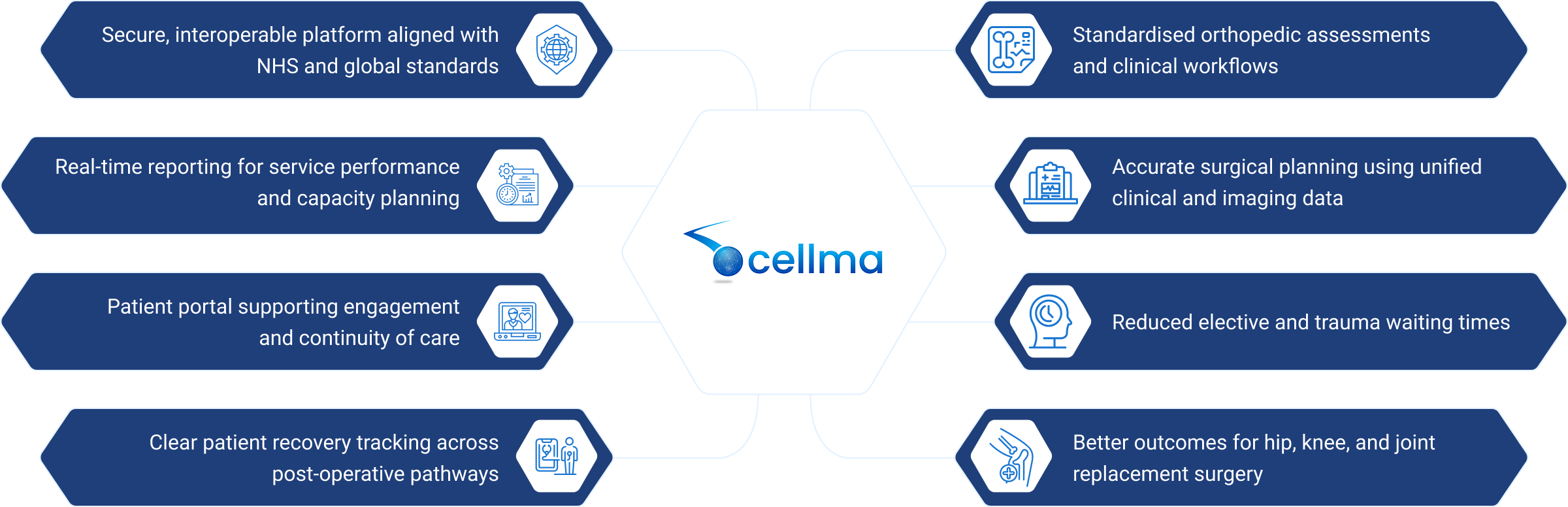
  • Aligned with NHS Digital, CQC, and global regulatory standards  

  • Fully interoperable with existing NHS clinical and administrative systems  

  • Designed specifically for elective, trauma, and community orthopedics  

  • Supports structured surgical planning and orthopedic documentation
  • Enables outcome measurement and service-level performance monitoring 

  • Secure, cloud-based architecture with role-based access controls
     
  • Flexible deployment across NHS Trusts, private providers, and global services 

  • Supports national funding and healthcare innovation frameworks, including 
NHS Innovation Accelerator and SBRI Healthcare

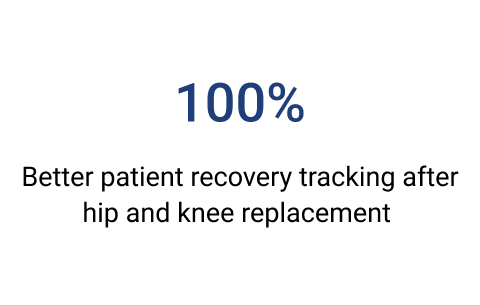
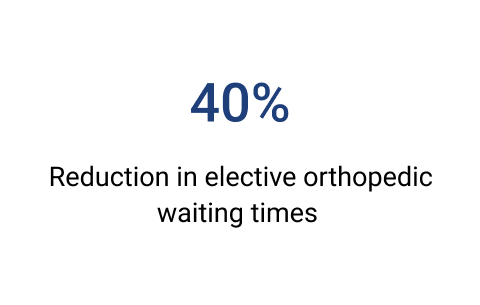
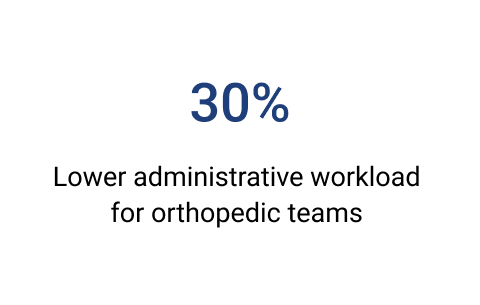
Results You Can Expect with Cellma Orthopedic EHR 

How Cellma Psychiatry EMR Supports the Future of Mental Health Care 

Interoperable Orthopedic Pathways Across Integrated Care Systems

Cellma Orthopedic EHR provides a means to share data securely among Integrated Care Systems (ICS). This allows for collaboration between Primary Care, Acute Trusts, and Specialist Orthopedic Units (SOSU). This also ensures unified record keeping for referrals, assessments, surgery and ongoing care/monitoring, thus minimizing fragmentation of care in the musculoskeletal (MSK) system.

Surgical Planning, Tracking & Outcomes Through Digital Technology

Cellma digitally enables the clinician to perform surgical planning using structured orthopedic record keeping and diagnostic information (past records). Additionally, all surgical options are recorded, and the clinician will also be able to document surgical procedure results and how the individual is recovering from the procedure. This allows the clinician to make consistent decisions and measure long-term surgical outcomes.

Orthopedic Care Connecting Across the Community and Acute Settings

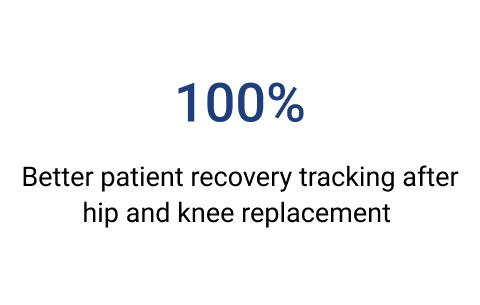
Orthopedic records are accessible throughout outpatient clinics, inpatient wards,rehabilitation/community services, and aids in a smoother transition of care from the hospital setting to home and also increase recovery of patients after being discharged from an acute facility.

Integration with NHS Systems and Global Digital Infrastructure 

Cellma Virtual Care Solutions are built for interoperability, ensuring smooth integration with national and international healthcare systems: 

UK Healthcare Integration 

Fully aligned with the NHS 10 Year Plan, supporting its vision for integrated, patient-centred, and digitally enabled care over the next decade. 

Global Healthcare Integration 

Built for global healthcare, enabling connected, patient-centred, and digital-first care anywhere in the world. 

This ensures that Cellma is not only NHS-compliant but also adaptable to global digital health infrastructures, making it a future-ready choice for healthcare providers anywhere. 

Frequently Asked Questions (FAQs)

What is an orthopedic EHR and how does Cellma support orthopedic care?

An orthopedic EHR is a digital system designed to manage musculoskeletal assessments, surgical planning, operative documentation, and post-operative care. Cellma is an orthopedic EHR that provides structured, interoperable workflows aligned with NHS orthopedics and global standards.

Is Cellma suitable for joint replacement services such as hip and knee surgery?

Yes. Cellma provides support for hip replacements as well as total knee replacements and wider ranges of joint replacements, which involves pre-operative, operative and post-operative documentation.

Is Cellma integrated with current NHS imaging and clinical services?

Yes. Cellma provides support for imaging integration with existing PACS (Picture Archiving and Communication System – used for radiology) and the radiology systems, in addition to integrating with other NHS integrated care providers, including NHS Spine, GP Connect, laboratory integration, referral, and discharge.

How does Cellma provide support for MDT (multidisciplinary team) based orthopedic care?

Cellma enables documentation by all MDT's working in the multidisciplinary teams delivering orthopedic care (orthopedic nursing, physiotherapy, anesthesia, radiology) and has documents that can be shared providing an effective base for making coordinated decisions related to patient care and ensuring continuous patient care.

Is Cellma in line with NHS Digital and CQC requirements?

Yes. Cellma is developed in accordance with NHS Digital standards and meets the requirements of CQC and HL7, FHIR and SNOMED CT and provides secure data transfer across Integrated Care Systems (ICS).